Final reflection essay
I learned that my natural English is valid, even if it does not sound like “perfect” Standard English. I learned this from Amy Tan’s essay “Mother Tongue.” When she talked about growing up hearing her mother’s English, it reminded me of my own journey with language. Amy Tan explained that her mother’s English was not “broken,” but simply the English her mother used to express herself. Reading this made me think differently about my own English. When I first came to America, I felt shy about my accent and the way I spoke. I worried that people would judge me or think I was less intelligent. However, “Mother Tongue” showed me that English is not one fixed version. People speak it in many different ways depending on their background, family, and culture.

I applied this idea when I wrote my synthesis essay. Instead of trying to sound overly formal or forcing myself to use big words, I used a more natural voice. I allowed myself to write the way I actually think. This made my writing feel smoother and more honest. It also helped me stop comparing my English to others. I began to trust my own style more. This lesson resonated deeply with me because I know how it feels to feel “less than” because of language. When I first came here, I struggled to understand accents and felt scared to speak. Reading “Mother Tongue” helped me realize that I do not need to hide my voice. My English carries my story, and that is something to be proud of.
I also learned that language is deeply connected to identity and power. I learned this from June Jordan’s essay “Nobody Means More to Me Than You.” Jordan explained how Black English is often treated as “wrong,” even though it is rich, expressive, and meaningful. She showed how the way people speak can affect how society views and treats them. This helped me understand that language is not just about communication; it is also connected to culture, race, and respect. Jordan fought for her students’ right to use their own English, which helped me see that language can be a source of pride instead of shame.
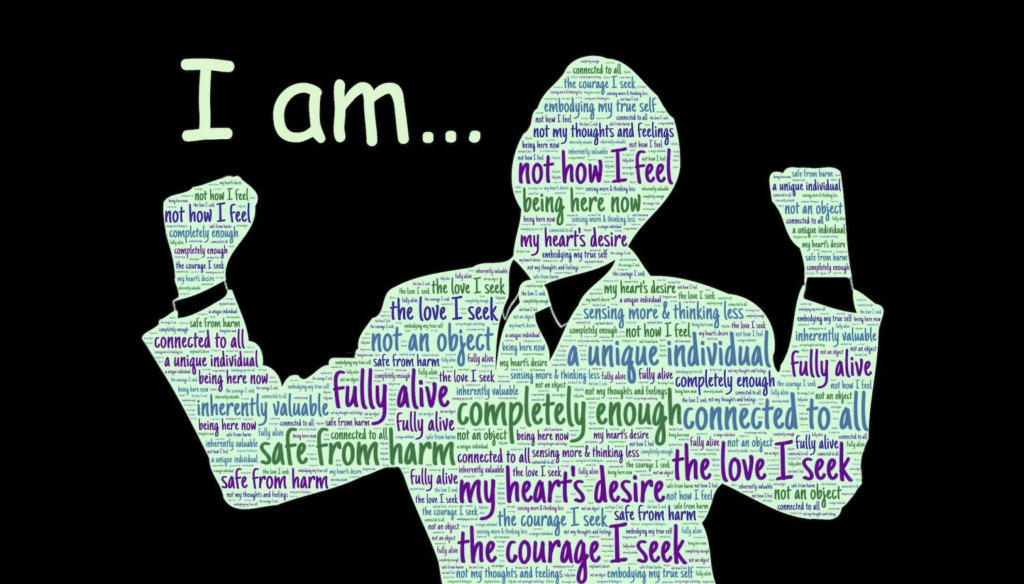
I applied this idea during class discussions about identity and language. I started to speak more confidently because I began to see my accent as part of who I am, not something I need to fix. It also helped me better understand the experiences of others. When I wrote about language discrimination in my synthesis essay, I used June Jordan’s ideas to explain how society often judges people unfairly based on how they speak. This lesson resonated with me because I have experienced this judgment myself. Sometimes people ask me to repeat myself or assume I do not understand. Reading June Jordan helped me realize that this is not my fault. Her writing made me feel seen and reminded me that my way of speaking is part of my identity, not a weakness.
Another important skill I learned is how to combine multiple sources to make a strong argument. I learned this through the synthesis essay assignment. At first, I did not know how to bring different readings together. I thought essays were supposed to discuss one source at a time. The synthesis assignment taught me how to connect ideas from different authors, such as Amy Tan and June Jordan, and use them to support one central claim. I also learned how to choose quotes that actually strengthen my argument instead of adding information that does not connect.
I applied this skill by planning, drafting, and revising my synthesis essay. I started with my main idea and then connected it to examples from “Mother Tongue,” June Jordan’s essay, and our class discussions about language and identity. Instead of separating each source, I showed how their ideas relate to one another. This helped me write a clearer and stronger essay. This was especially meaningful to me because before this class, I struggled with organization. I often felt lost when writing longer papers. Learning how to synthesize ideas made writing feel more structured and less overwhelming. This skill will be very helpful in my future college classes.
Finally, I learned that giving and receiving feedback makes my writing better, not worse. I learned this through peer review. At the beginning of the semester, I was nervous about my classmates reading my work. I worried they would judge me or think my ideas were weak. However, during peer review, I realized that everyone was trying to help each other improve. The feedback I received was honest, respectful, and helpful. My classmates pointed out where my ideas were strong and where I needed more explanation or clarity.
I applied this feedback by revising my drafts. I added more details, fixed unclear sentences, and strengthened my arguments. I also became more thoughtful when giving feedback to others because I understood how valuable it can be. Peer review taught me to look at writing from a reader’s perspective, not just my own. This lesson resonated with me because I used to believe writing was something you do alone. Now I understand that writing is a process that improves through collaboration. Peer review helped me become less afraid of making mistakes and more confident in my abilities as a writer.

In conclusion, English 110 helped me grow both academically and personally. I learned to value my natural English, understand the connection between language and identity, synthesize multiple sources, and use feedback to improve my writing. These lessons changed how I see myself as a writer. I now approach writing with more confidence, patience, and pride in my voice. I will carry these skills with me into future classes and beyond.

This entry is licensed under a Creative Commons Attribution-NonCommercial-ShareAlike 4.0 International license.

